Timnath's Median Price Hides the Number That Actually Decides Your Payment
September 17, 2026
September 17, 2026
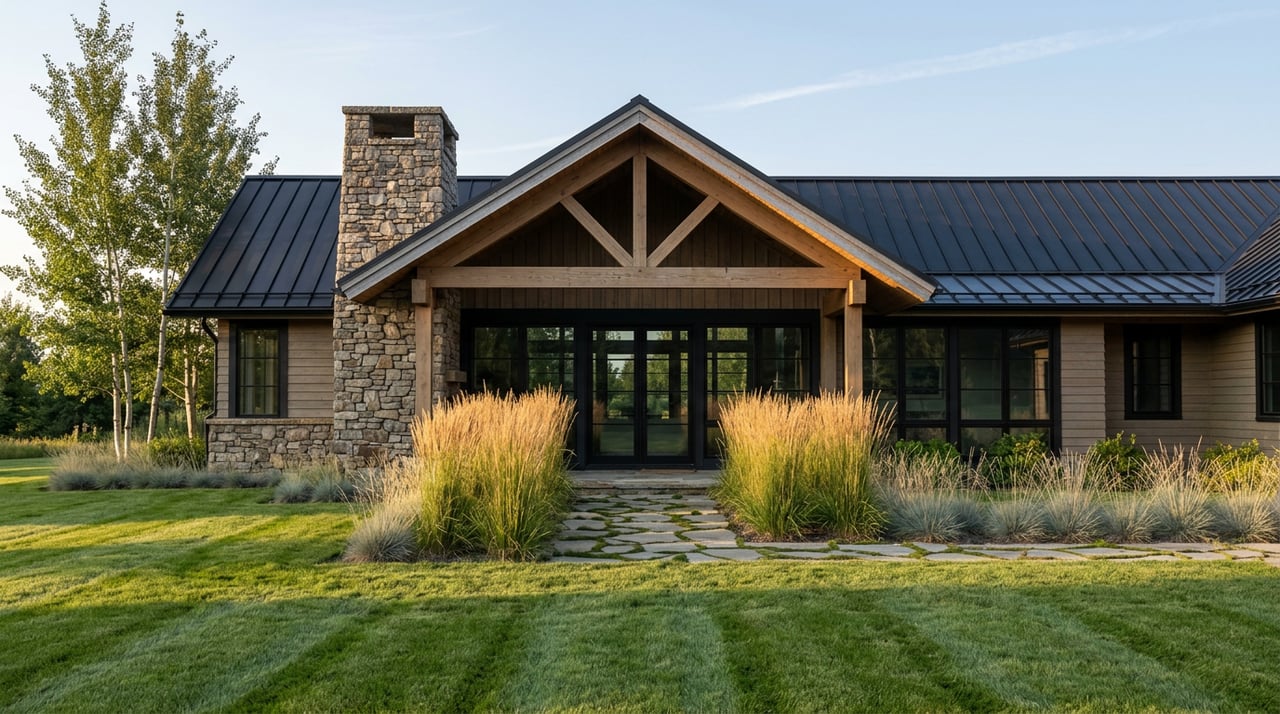
Picture two Timnath listings, both around $700,000, both new construction, both a five-minute drive from the interchange at Harmony Road and I-25. A buyer tours one in Timnath Ranch and one in a filing labeled Southwest Timnath. The floor plans are nearly identical. The buyer picks based on the kitchen layout and the backyard. Six months later, the property tax bills arrive, and one household is paying meaningfully more than the other every single month, for reasons that have nothing to do with the house.
That gap is not a fluke of one closing season. It is structural, and it is the piece of the Timnath market that the town-wide median price cannot tell you.
As of early September 2026, Timnath's median list price sits at roughly $689,000, with an average price near $280 per square foot and homes taking about 93 days to sell, based on current listing data pulled from the town's active inventory. Other market trackers put the recent median sale price anywhere from the high $600,000s to the high $700,000s depending on which weeks of sales they capture, which is itself worth noticing. A town this size, with this few monthly closings, will show a wide median swing just from a handful of luxury sales landing in one data window versus another.
But even a perfectly clean median price answers only one question: what did homes cost to buy. It says nothing about what they cost to keep. In Timnath, that second number depends almost entirely on which metro district polygon the parcel sits inside, and those polygons carry wildly different price tags.
Timnath grew fast, and it grew through metro districts. These are local governments, formed under Colorado's Special District Act, created specifically to issue bonds for roads, water, sewer lines, and parks so a developer does not have to fund all of that infrastructure up front. The district then repays that debt through a mill levy. The levy shows up as its own line on the county tax bill, separate from the county, school, and municipal portions.
The mechanism is straightforward. The rates are not.
| District | Certified 2025 Mill Levy | Structure |
|---|---|---|
| South Timnath Metropolitan District No. 1 | 19.104 mills | Debt service |
| South Timnath Metropolitan District No. 2 | 44.576 mills | Debt service |
| Southwest Timnath Metropolitan Districts No. 1, 3, and 4 | 63.680 mills | Debt service |
A parcel sits inside one of these districts, not several, so the levies do not stack on top of each other. But they do vary by more than three to one depending on which side of a road a lot falls on. A home in South Timnath District No. 1 carries a levy less than a third the size of one in Southwest Timnath. Two similarly priced homes in different districts can owe very different amounts every year.
Timnath Ranch Metropolitan District's 2026 adopted budget authorizes up to 10 additional mills for operations and maintenance.
A mill levy is a property tax, and it is collected with the rest of your property tax bill rather than billed separately.
None of these numbers tell an individual buyer their exact bill. That depends on parcel-specific details, which the Larimer County Assessor can confirm address by address. What the range does tell a buyer is that "similar list price" and "similar carrying cost" are two different claims, and only one of them shows up on a listing sheet.
The mill levy is not the only place carrying costs diverge. Timnath's communities layer HOA dues and district operating fees on top of the tax bill, and those layers look nothing alike from one neighborhood to the next.
Harmony Club, the golf course community anchoring the Harmony corridor, runs a master HOA assessment of $361.68 per quarter, with some property types carrying additional subassociation dues on top, including $165 per month for townhomes and $75 per month for duplexes. The community also lists a separate Powhaton Community Authority assessment of $25 per quarter, which funds parks, sports fields, trails, and landscape services distinct from the HOA's own budget.
Timnath Ranch runs a different structure entirely. Its metro district bills a $700 general operations fee per year, split into quarterly installments, and layers on an administrative transfer fee, a $250 architectural plan review fee, a $150 initial landscape plan review fee, and a $100 minor plan review fee for anyone planning a fence, a repaint, or a landscaping change after closing.
Timnath Lakes takes a third approach. Its district charges a $160 monthly operations fee billed quarterly, plus a working capital fee.
Add these fee schedules to the mill levy table and the picture sharpens. A buyer comparing a Harmony Club listing to a Timnath Ranch listing at the same price is not comparing two versions of the same cost structure. They are comparing two entirely different accounting systems, one built around a golf community HOA plus a light-touch community authority fee, the other built around a metro district that bills quarterly operations charges and per-project review fees the way a small municipality would.
Two projects moving through Timnath in 2026 explain why this complexity keeps growing rather than settling down.
McMorris Estates, an expansion immediately west of Harmony Club, secured final plat approval in late 2024 and is expected to begin home construction in 2026. The subdivision spans about 46.7 acres and will include just 24 estate-sized homesites, with pricing expected to run from roughly $2.8 million to more than $4 million depending on lot and design. A development this size, with this few lots, will carry its own cost structure once its financing is finalized, adding yet another line to the comparison table for buyers shopping the higher end of the Harmony corridor.
Ladera, the 240-acre mixed-use project at the southeast corner of I-25 and Harmony Road, is a different kind of addition. Owned by Connell LLC, a family company with roots in Northern Colorado dating back to 1959, the project is projected to generate close to $218 million in sales and property tax for the town over the next 25 years, with more than 100 acres set aside for lakes, trails, and open space. Ladera is commercial and mixed-use rather than a residential subdivision with its own homeowner-facing mill levy, but its build-out will reshape retail and restaurant density along Harmony Road, which is the same corridor where Timnath Ranch, Harmony Club, and several of the newer filings already sit. Growth on that scale tends to pull more residential platting in behind it, which means more districts, not fewer.
The fix is not complicated, but it does require asking for documents a listing sheet will not volunteer. Before writing an offer on a specific lot, request:
None of this shows up in a median price, and none of it shows up in a single listing photo. It shows up in the documents, and in Timnath, the documents are where two homes that look the same on paper stop looking the same at all.
If you are comparing lots across Harmony Club, Timnath Ranch, Timnath Lakes, or one of the newer filings east of the interchange, Bison Real Estate Group can pull the parcel-specific mill levy and fee schedule before you write an offer, not after you have already fallen for the floor plan. Let's Connect — Get Your Home Valuation.
This article is general information, not legal, tax or financial advice. Consult a qualified professional about your situation.
Stay up to date on the latest real estate trends.
With a passion for real estate and a commitment to community betterment. We have consistently demonstrated exceptional expertise and dedication, earning recognition as one of America's Best Real Estate Professionals, ranking within the top 1.5% according to Real Trends.