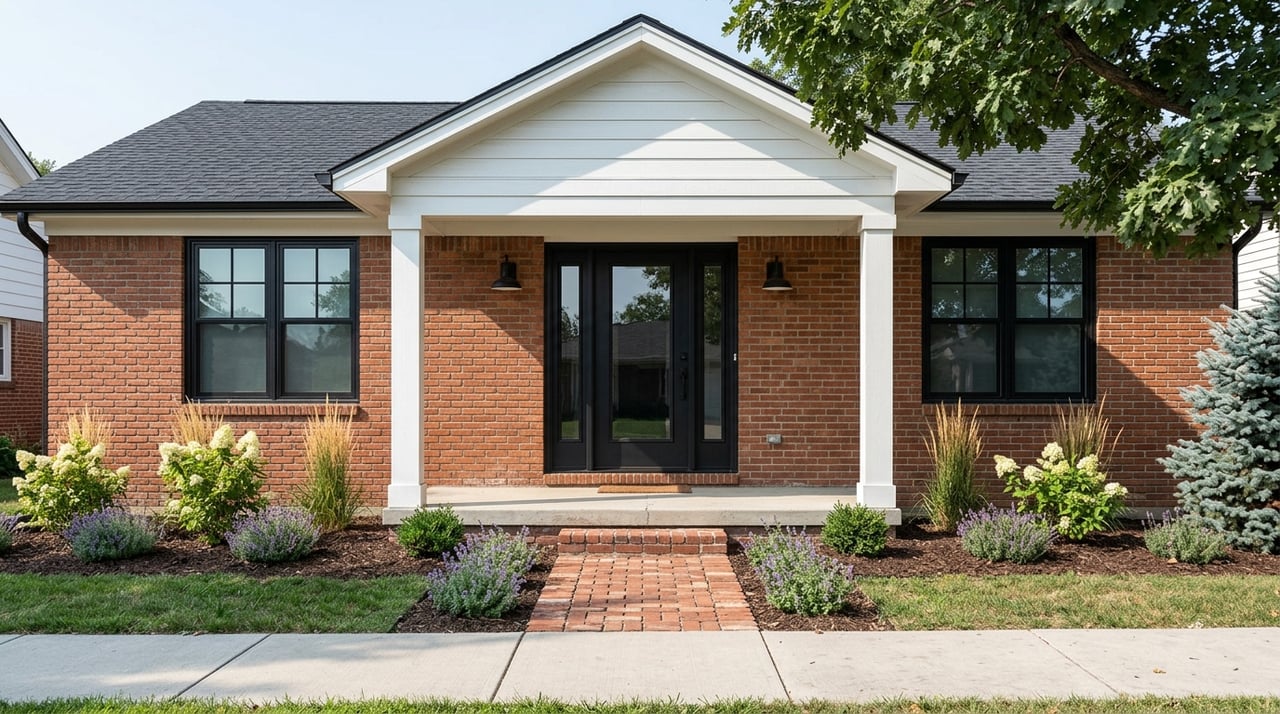
Old Town Versus Southeast Fort Collins: Housing Tradeoffs
June 18, 2026
June 18, 2026
Trying to choose between Old Town and southeast Fort Collins? You are not alone. These two parts of town can both be strong options, but they serve very different day-to-day lifestyles, housing preferences, and price expectations. If you are weighing charm against newer layouts, or walkability against road access, this guide will help you compare the tradeoffs with more clarity. Let’s dive in.
Old Town and southeast Fort Collins are shaped by very different planning histories. The city describes Old Town neighborhoods as some of Fort Collins’ earliest residential districts, closely tied to Downtown, Colorado State University, and the Poudre River. Old Town Fort Collins is also a local historic district, with formal historic recognition dating back to the late 1970s.
Southeast Fort Collins is framed differently in city planning documents. The Harmony Corridor and Fossil Creek zone point to a newer, mixed-use growth area with larger roads, subdivision-era housing, and a broader spread of land uses. In simple terms, Old Town feels more historic and central, while the southeast side feels more corridor-oriented and suburban.
One of Old Town’s biggest draws is architectural character. City design guidance identifies styles such as Vernacular, Queen Anne, Craftsman, Bungalow, Ranch, Minimal Traditional, and Classic Cottage. If you love homes with distinct exterior details and neighborhood texture, Old Town often stands out.
That character can come with added considerations. In the historic district, exterior changes and additions may need to meet design standards focused on visual compatibility. For some buyers, that is part of the appeal. For others, it is an important tradeoff to understand before making an offer.
Southeast Fort Collins tends to offer a wider range of subdivision-era housing. The city’s Harmony Corridor plan describes the area as single-family oriented with significant multi-family development, and it anticipates future housing types at different densities. Lot sizes in the corridor range from about 6,300 square feet to nearly an acre.
For buyers, that often translates into more choice in layout and home type. You may find attached homes, two-story single-family homes, ranch-style properties, and larger homes on bigger lots depending on the neighborhood. Compared with Old Town, the southeast side generally offers a more conventional newer-home mix.
A lot of buyers assume Old Town is always the most expensive option. Current neighborhood snapshots suggest it is more nuanced than that. Old Town’s median sale price was $500,000, with a median sale price per square foot of $506.
Southeast neighborhood snapshots cover a broad range. Foxstone was at $477,500 and $233 per square foot, Rigden Farm at $560,000 and $339 per square foot, Observatory Village at $575,000 and $291 per square foot, and Fossil Lake at $975,000 and $248 per square foot. That means some southeast options sit below Old Town on price, while others sit far above it.
The more consistent difference is price per square foot. Old Town’s figure is notably higher than the southeast examples in these snapshots. That often reflects what buyers are paying for in Old Town, including central location, lot setting, and historic character.
On the southeast side, pricing is spread across a wider range of product types. You may see more attainable attached housing in one neighborhood and much larger single-family properties in another. If your budget is fixed, comparing by home type and lifestyle fit will usually be more useful than comparing by area name alone.
If you want a core-area lifestyle, Old Town has a strong case. The city places these neighborhoods close to Downtown, CSU, and the Poudre River. Old Town also benefits from connections like the GOLD route between Old Town Square and campus on Friday and Saturday nights, along with MAX service linking the South Transit Center to Downtown.
Old Town also has strong access to parks and trails. Lee Martinez Park connects with the Poudre River and the Poudre Trail, and the Poudre River Whitewater Park project has helped strengthen the connection between the river corridor and downtown access. For many buyers, this adds up to easier walking, biking, and short-trip living.
Southeast Fort Collins works differently. The Harmony Corridor plan describes the I-25 and Harmony area as a primary commuter and traveler route. That makes the southeast side practical if your routine depends on driving south, reaching I-25 efficiently, or accessing larger commercial areas.
Transit still plays a role here. The South Transit Center sits south of Harmony Road near College and Fairway, while Routes 19 and 16 connect southeast Fort Collins with CSU, Harmony, and the South Transit Center. MAX also supports downtown access from the south side.
Old Town’s outdoor appeal is closely tied to the river and the central trail network. If you like the idea of quick access to the Poudre River, nearby parks, and a more connected core setting, Old Town offers that experience in a way that is hard to duplicate elsewhere in the city.
Southeast Fort Collins has seen meaningful improvement in trail connectivity. The city says the Fossil Creek zone south of Harmony includes paved trails that support recreation and everyday travel. The Siphon Pedestrian Overpass, completed in December 2025, now connects the Mail Creek Trail to the Power Trail and closes a long-standing gap in southeast connectivity.
Fossil Creek Reservoir Natural Area adds another layer of outdoor access on the southeast side. It offers hiking-only access, birding, and a 1,398-acre open-space setting near Carpenter Road. The feel is different from Old Town’s river-and-downtown pattern, but it can be a strong fit if you want open space tied to the south side of town.
Old Town has the densest cluster of day-to-day conveniences in this comparison. Visit Fort Collins describes the area as having patios, green space, indoor and outdoor dining, retail, and year-round activities. The city also highlights downtown parking as part of supporting access to shops, restaurants, and events.
That does not mean every errand is done on foot, but it does mean many day-to-day stops can happen close together. If you value having dining, events, and retail in a compact area, Old Town is the stronger match.
Southeast Fort Collins is more centered on larger shopping corridors and destination retail. The Harmony Corridor plan calls for community and regional shopping centers, neighborhood service centers, and mixed residential uses. In practice, that usually means you are driving or making more deliberate trips between home, services, and entertainment.
For many buyers, that is not a drawback. If you prefer newer development patterns, practical road access, and proximity to south-side amenities, the southeast side can feel more efficient than Old Town.
The tradeoff is that homes may be older, smaller, or more variable in condition, and exterior changes can face historic-district standards.
The tradeoff is that the area is generally less compact and more car-oriented than Old Town.
There is no universal winner between Old Town and southeast Fort Collins. The better choice depends on how you want to live, what kind of home you prefer, and how you want your budget to work for you. Old Town tends to be the better fit for buyers who value historic character, central access, and a more urban routine, while southeast Fort Collins tends to work better for buyers who want newer choices, road access, and a more suburban setup.
If you want help comparing specific neighborhoods, price points, or home styles in Fort Collins, The Group Inc can help you narrow the options and focus on the tradeoffs that matter most to your move.
Stay up to date on the latest real estate trends.
With a passion for real estate and a commitment to community betterment. We have consistently demonstrated exceptional expertise and dedication, earning recognition as one of America's Best Real Estate Professionals, ranking within the top 1.5% according to Real Trends.