Thinking about selling your Johnstown home and not sure where to start? You are not alone. The best results come from a simple plan that blends smart prep, a data-backed price, and clean marketing. In this guide, you will get a clear checklist to get market ready in weeks, not months, along with local tips for Johnstown sellers. Let’s dive in.
Know your Johnstown specifics
Johnstown spans both Weld and Larimer counties. Confirm your parcel’s county early since taxes, recording, and assessor records follow the county of record. You can verify the town’s county split in public sources such as the Johnstown profile on Wikipedia.
Johnstown also has a high share of newer subdivisions and active new construction. That mix affects pricing, marketing language, and buyer expectations. If your home is near I-25 or Centerra, highlight commuter convenience and access to Northern Colorado employers. Always date any market stat you plan to share and confirm with your agent at launch, since conditions can shift quickly.
Gather disclosures and key documents
Strong prep reduces surprises in negotiations. Colorado uses a Commission-approved Seller’s Property Disclosure form. If your contract requires it, complete it to your current actual knowledge. You must disclose known adverse material facts even if you plan to sell as-is. You can review the state form and language in the Colorado Division of Real Estate’s Seller’s Property Disclosure. For any transaction-specific questions, consult your listing agent or a Colorado real estate attorney/title company.
Build a simple pre-listing file with:
- Completed Seller’s Property Disclosure plus supporting receipts, invoices, and reports. Link answers to proof where you can.
- HOA or metro district items if applicable: covenants, rules, budget, and the HOA contact for a resale packet.
- Permits and warranties for recent work like roof, HVAC, kitchen, additions, or basement finish. Include permit numbers and contractor contacts.
- Title and deed information, plus a current mortgage payoff statement to help estimate net proceeds.
- Utility bills for the past 12 months or a typical monthly estimate. Buyers often ask.
- Hazard checks. Run your address through FEMA’s Map Service Center to see if any mapped flood zones could impact insurance or lending.
Recording and fees to watch:
- Colorado uses a flat per-document recording fee structure adopted at the state level. Since Johnstown lies in both Weld and Larimer counties, confirm which clerk will record your documents and what the current fees and forms are. See Larimer County’s overview of recording fees and practices as an example. Your title company will guide you on the exact amounts.
Price it right with a CMA
A Comparative Market Analysis focuses on recent nearby sales that match your home’s subdivision, size, age, condition, and lot features. Your agent will typically pull 3 to 6 recent sold comps, then cross-check with pending and active listings. The National Association of REALTORS offers a helpful consumer overview of what goes into pricing that can guide your thinking.
Local pointers for Johnstown pricing:
- New construction vs resale. If your neighborhood includes active builder product, pricing, finishes, incentives, and warranties differ. New-home comps can be more appropriate in some cases. You can scan an example Johnstown new-home plan from Century Communities to see how builders package features and promotions.
- Time frame. In a steady market, 3 to 6 months of sold comps is common. In slower periods, extend to 6 to 12 months and weigh seasonality and trend direction.
- Per-square-foot is only a diagnostic. Adjust for condition, upgrades, lot quality, views, and layout before leaning on a per-foot figure.
- Review early. Plan a 1 to 2 week check-in after launch. If showings or online engagement lag behind expectations, be ready to adjust price, staging, or incentives quickly.
Prep the property for buyers
Great marketing starts with a home that photographs and shows well.
- Knock out minor repairs. Tackle paint touch-ups, sticky doors, loose hardware, and drips to avoid inspection distractions.
- Deep clean and declutter. Clear countertops and floors, thin closets, and remove most personal photos so buyers focus on the space.
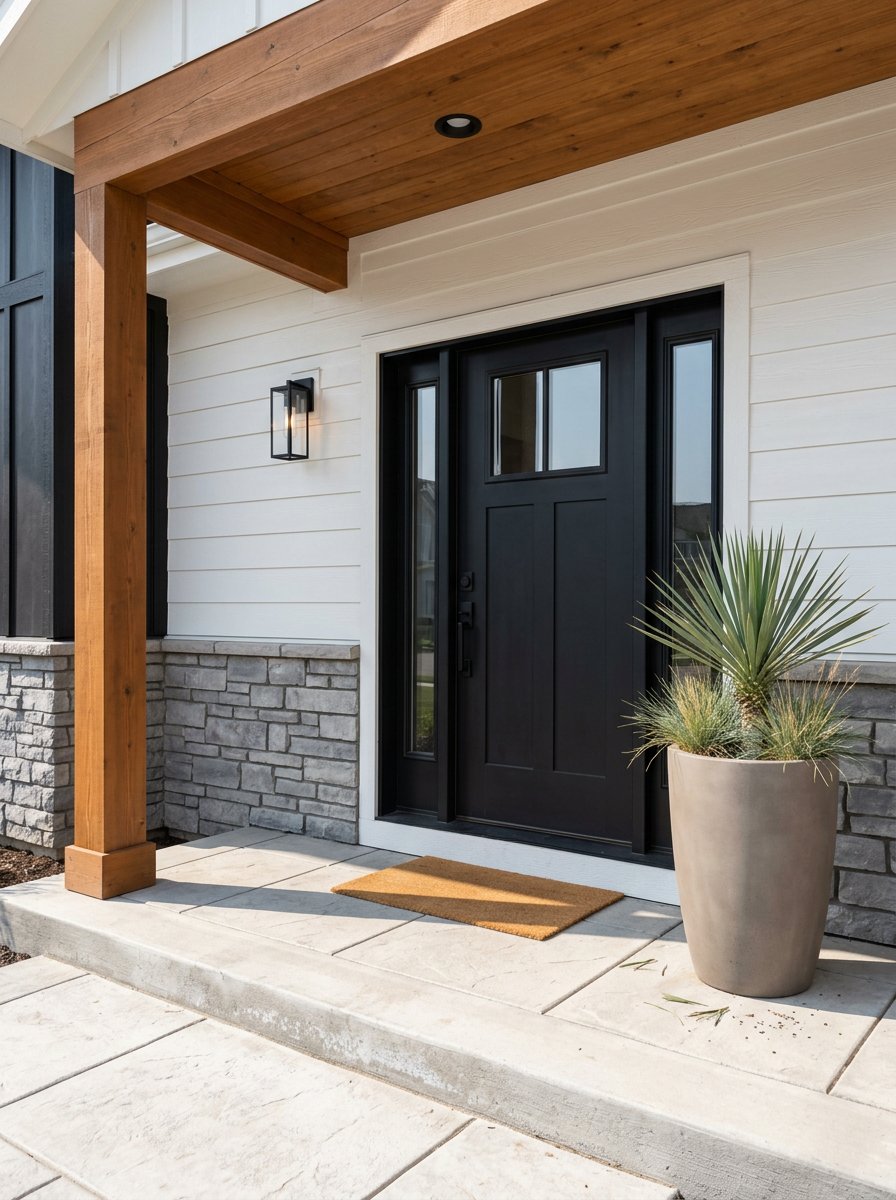
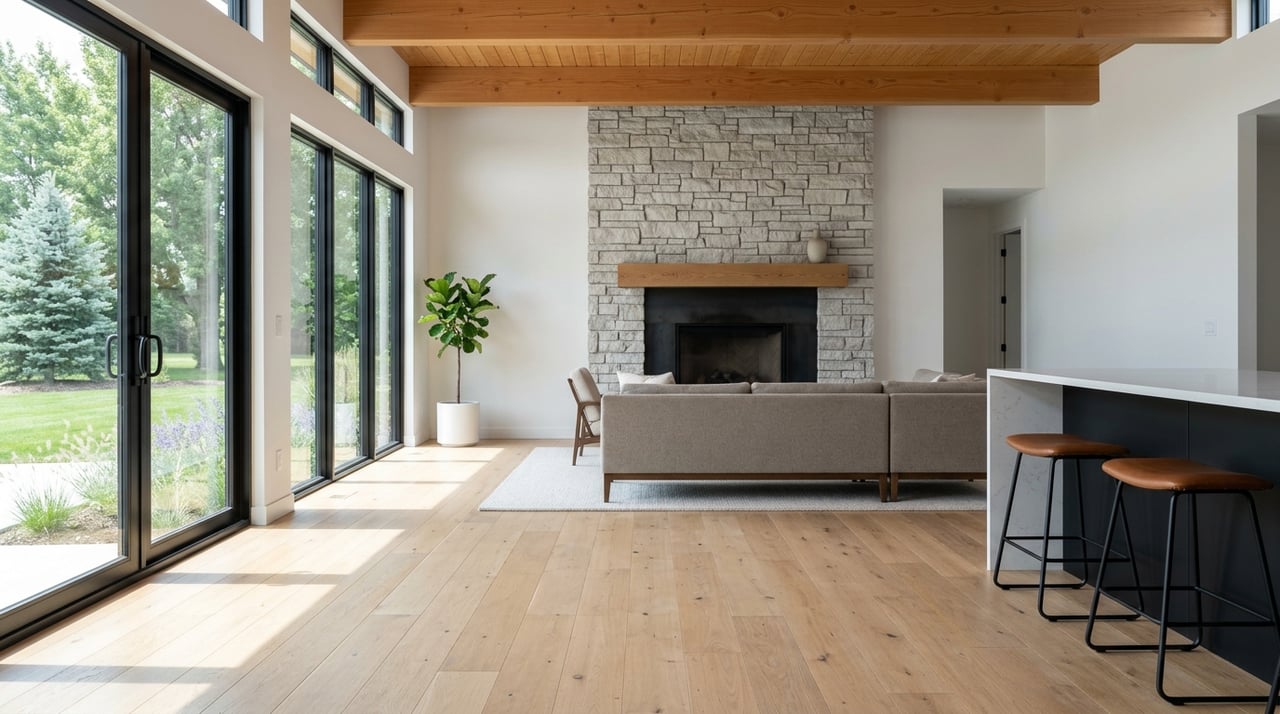
- Stage the key rooms. Living room, kitchen, primary suite, and entry set the tone. Simple, neutral styling photographs best.
- Consider a pre-listing inspection. It can surface easy fixes and help you choose which items to address vs disclose.
Build a premium marketing package
You get one chance to make a first impression online. Invest in media that converts views into showings.
- Professional HDR photography. High-quality images with corrected perspectives capture attention and increase listing views. See a quick primer on why pro real estate photography matters from Hometrack.
- Floor plan and feature list. A clear 2D plan and a room-by-room feature sheet answer common buyer questions.
- 3D tour or video walkthrough. Northern Colorado attracts relocating buyers. A virtual tour helps them engage from anywhere.
- Drone where it fits. Aerials shine for larger lots, acreage, or striking surroundings.
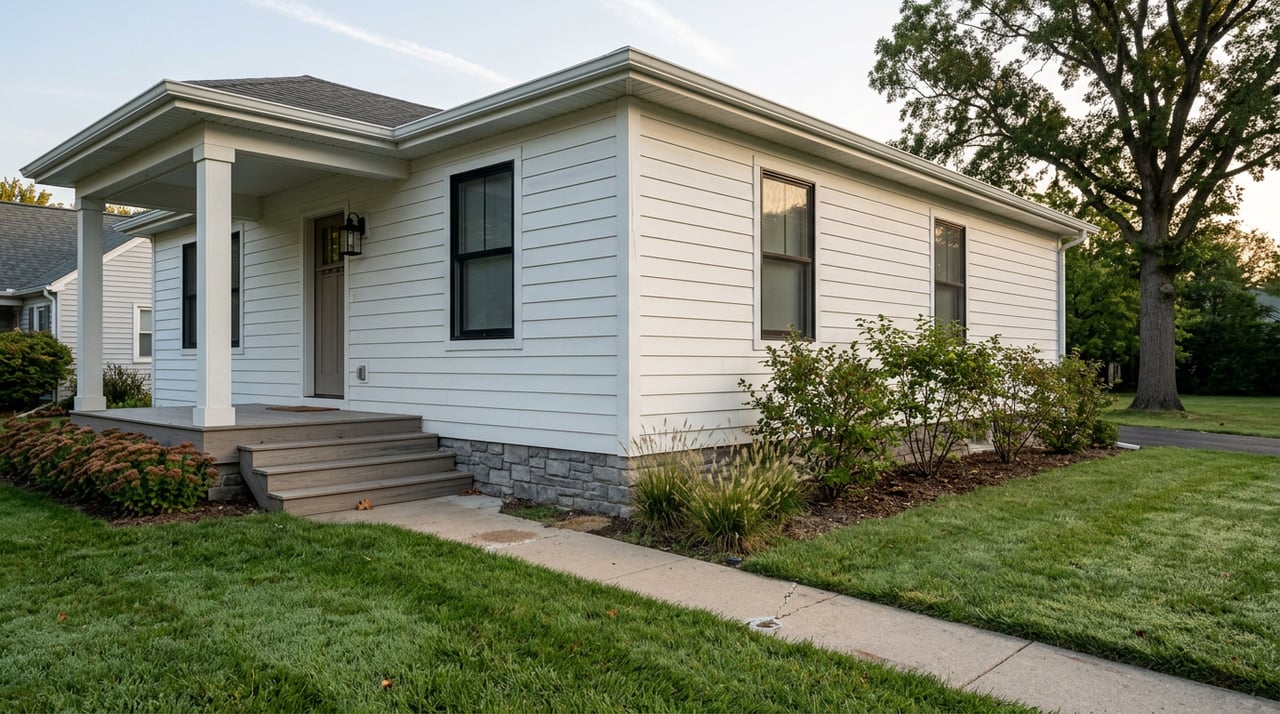
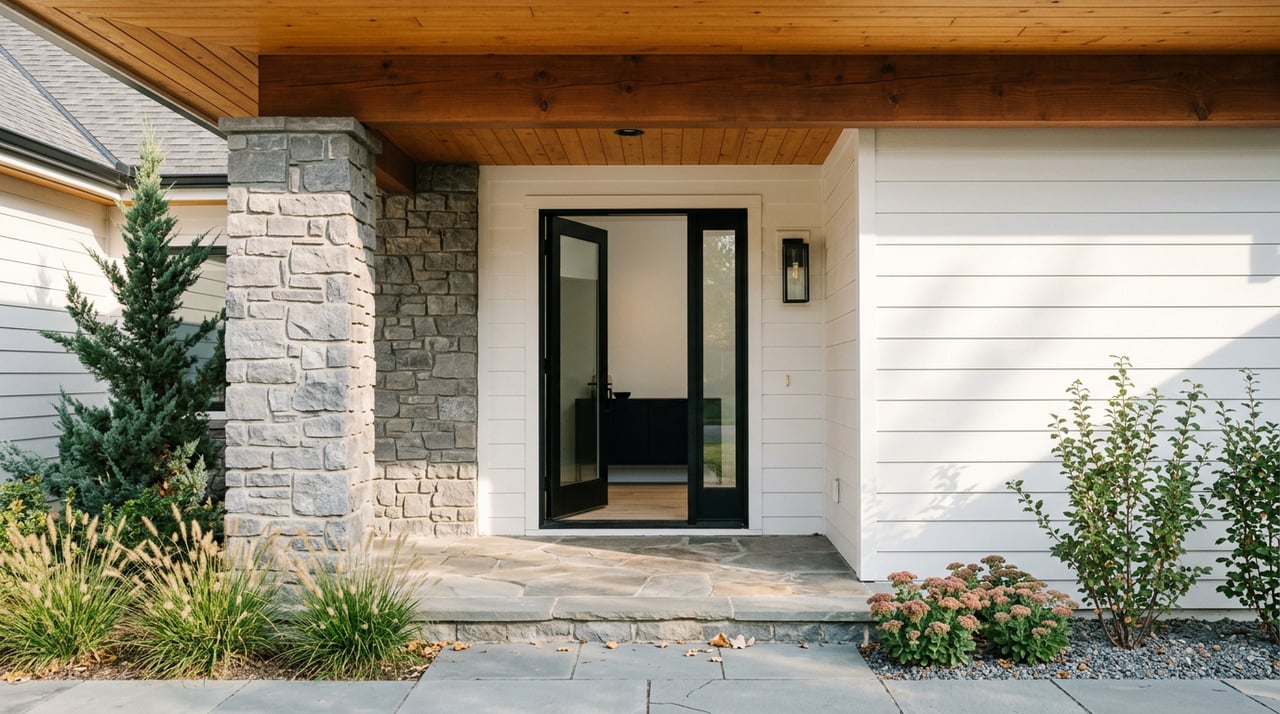
- Short social clips. Create a few 10 to 30 second Reels that highlight curb appeal, kitchen, and outdoor spaces.
Launch and distribution
Your MLS listing is the hub. From there, the listing syndicates to major portals and broker sites through IDX and VOW feeds that follow the RESO data dictionary. Work with your agent to confirm which portals the listing will reach and how fast the feed updates.
Blend organic and paid tactics:
- MLS plus portal syndication is your baseline.
- Targeted social ads on Facebook and Instagram can reach local buyers and I-25 commuters.
- Email campaigns to the agent’s buyer database, plus a broker tour before public open houses, can generate early energy.
- Consider paid search or local display for higher-priced or unique listings.
Timing that works:
- Finish staging and cleanup first. Then book the photographer for the next business day.
- Expect edited photos within 48 to 72 hours.
- Go live on the MLS the day after media is ready, aligned with your launch plan.
Showings and open houses
- Broker preview. Invite buyer agents to a short preview right before or after you go live. This helps seed early feedback and momentum in inventory-heavy conditions.
- Open houses. Consider the first weekend if pricing and presentation are dialed in. Pair in-person traffic with social posts or live video to reach out-of-area buyers.
- Showing management. Use a lockbox and appointment tool. Plan to be off-site during tours so buyers feel comfortable.
A simple 3-week timeline
Data current as of publication. Confirm market figures and vendor timelines with your agent.
2 to 4 weeks before listing
- Hire your listing agent and sign the listing agreement.
- Agent prepares a CMA and target price strategy. Align on marketing assets and budget.
- Optional pre-listing inspection and early repair bids.
- Book photographer, 3D tour, and drone. Get a staging quote and set a date.
- Collect documents: deed/title info, mortgage payoff, 12 months of utilities, permits and warranties, HOA contacts and covenants, receipts for major improvements, and any inspection or repair reports.
- Run hazard checks with FEMA’s Map Service Center and note anything that needs disclosure or clarification.
1 week before listing
- Complete agreed repairs and touch-ups.
- Deep clean, declutter, and stage main rooms.
- Final walk with your agent to refine the shot list and listing description.
Listing day
- Professional media captured and delivered.
- MLS goes live with full media and a clear description.
- Social launch and email alert to buyer database.
- Optional broker preview scheduled for the next business day.
First 1 to 2 weeks on market
- Track showings, feedback, and online activity with your agent.
- Review offers and adjust pricing, staging, or incentives as needed.
- Decide on one or more open houses and follow up promptly on leads.
Quick seller checklist
- Confirm your parcel’s county and any special districts.
- Complete the Seller’s Property Disclosure with supporting documents.
- Assemble HOA or metro district documents if applicable.
- Gather permits, warranties, and 12 months of utility info.
- Run a FEMA flood zone check for your address.
- Approve a CMA-driven price and review plan.
- Stage key rooms, deep clean, and complete minor repairs.
- Order pro photos, floor plan, and a 3D tour.
- Align on MLS launch timing and syndication settings.
- Plan showings, a broker preview, and open house strategy.
Next steps
If you are 2 to 4 weeks from listing in Johnstown, a tight plan will save you time and protect your bottom line. A well-prepared file, a CMA-based price, and premium media are the three levers that move the needle most. Ready to talk timing, price, and marketing for your address? Connect with the local team at Bison Real Estate Group to get your tailored home valuation and launch plan.
FAQs
Do Colorado sellers have to complete the Seller’s Property Disclosure?
- If your purchase contract requires it, you must complete the form to your current actual knowledge, and you must disclose known adverse material facts even if selling as-is; review the state form language in the Colorado Division of Real Estate’s Seller’s Property Disclosure.
How do recording fees work if my Johnstown home is in Weld or Larimer?
- Colorado uses a flat per-document recording fee structure and practices vary by county; since Johnstown spans two counties, confirm the correct clerk and current fees with your title company and see Larimer County’s recording fee overview as an example.
How important are professional photos and a 3D tour?
- Very important; most buyers start online and professional HDR photos and virtual tours materially increase listing engagement and showing requests, as outlined by Hometrack’s photography best practices.
How should new-construction nearby affect my price strategy?
- New-home communities may offer builder incentives, warranties, and different finish levels, so use appropriate new construction comps where relevant; view a local example from Century Communities to see how builders position features and pricing.
How can I check flood risk for my property before listing?
- Search your address in FEMA’s Map Service Center to see if any mapped flood zones could affect insurance or lending, then discuss findings and any needed disclosures with your agent.